When most of us hear "Rosh Hashanah," we immediately think of apples dipped in honey, and the sound of the shofar. Yet, every winter, as the days grow darker and colder, another New Year arrives, one that feels personal to me.
This Sunday and Monday, the 19th and 20th of Kislev (Yud-Tes and Chof Kislev), mark what is known as the Rosh Hashanah of Chassidism.
If you’ve never heard of it, or if you’ve ever wondered why a historical event from over two centuries ago still sparks so much joy today, here is why these two days are so special.
The Story Behind the Celebration
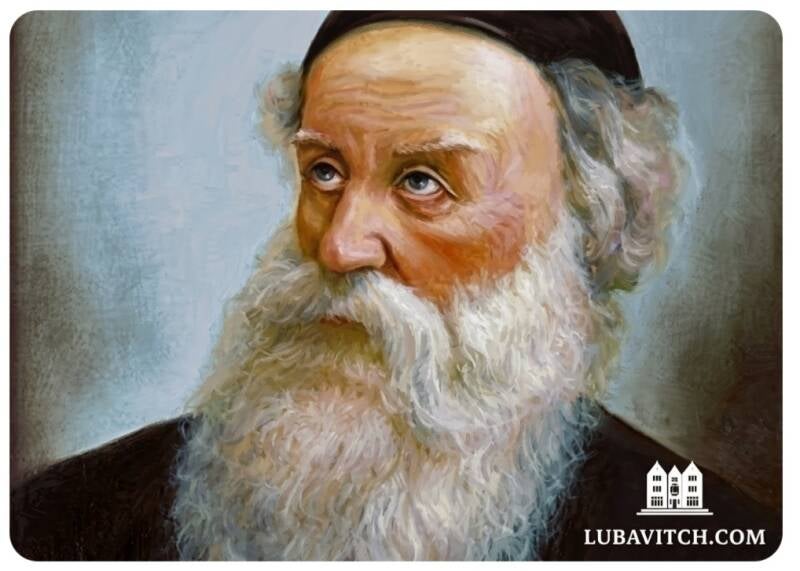
Back in 1798, the Rebbe, Rabbi Schneur Zalman of Liadi, also known as the Alter Rebbe and the founder of Chabad Chassidism, was arrested by the Russian authorities in St. Petersburg. Opponents of the growing Chassidic movement had falsely accused him of treason, claiming his teachings were a threat to the Czar.
For 53 days, he was held in a fortress and subjected to intense interrogations. Yet, through his wisdom and composure, he completely cleared his name. On the 19th of Kislev, he was officially acquitted and released.
Why Two Days?
One of my favorite parts of this story explains why we celebrate across both Sunday and Monday (19 and 20 Kislev).
When the Alter Rebbe walked out of prison on the 19th of Kislev, the guards mistakenly delivered him to the home of one of his toughest faultfinders, instead of his followers. For three hours, he had to endure severe criticism and hostility while waiting for his friends to find him. He didn't finally reunite with his joyful students until the 20th of Kislev.
To me, the unexpected route made the holiday even more meaningful. It reminds us that true liberation isn't always an instant shift from darkness to light, sometimes, there is an uncomfortable middle step before we truly arrive home. Celebrating both days honors the entire journey.
Why It’s Called "Rosh Hashanah"
To Chassidim, the Alter Rebbe’s freedom was about far more than one man walking out of jail. In spiritual terms, his imprisonment was seen as a heavenly trial over whether the deepest, most mystical secrets of the Torah, the teachings of Chassidus, should be shared openly with the world. His release was the green light.
Here is why that moment still touches my life today:
Spirituality Isn’t Just for a Few: Before our time, deep mystical wisdom was locked away for a tiny circle of advanced scholars. Yud-Tes Kislev threw the doors wide open. It sent a empowering message: profound spiritual truth belongs to everyone, no matter your background, knowledge or observant level. Finding simcha in the Everyday: On the traditional Rosh Hashanah in Tishrei, we celebrate the creation of the physical world. On this Rosh Hashanah, we celebrate the awakening of the soul. Chassidus teaches us that serving HaShem and living a meaningful life shouldn't feel like a heavy chore, it should bring warmth, and joy into our most ordinary, daily routines. Light in the Middle of Winter: Falling right before Chanukah, these days arrive at the darkest days of the calendar. They serve as a reminder that even when things feel heavy or isolating, a little bit of inner warmth and truth can push back a lot of darkness.
How We Celebrate
There are no work restrictions on 19–20 Kislev, and no formal synagogue rituals like blowing the shofar. Instead, the heart of the celebration is the farbrengen, an informal, soulful gathering of Chassidim sitting around a table, sharing stories, singing heartfelt melodies (niggunim), saying L'Chaim, and encouraging one another to grow.
As we step into this "New Year" of the soul, my wish for all of us is simple: may we find deeper meaning in our everyday lives, share warmth with the people around us, and carry a little extra inner light into the world.
Gut Yontif, and wishing you a sweet, inspiring new year in the ways of Chassidus.